Common pest problems in hospitality & food service
Every hospitality venue is different, but some pest issues are particularly common in commercial kitchens and food preparation environments.
German cockroaches
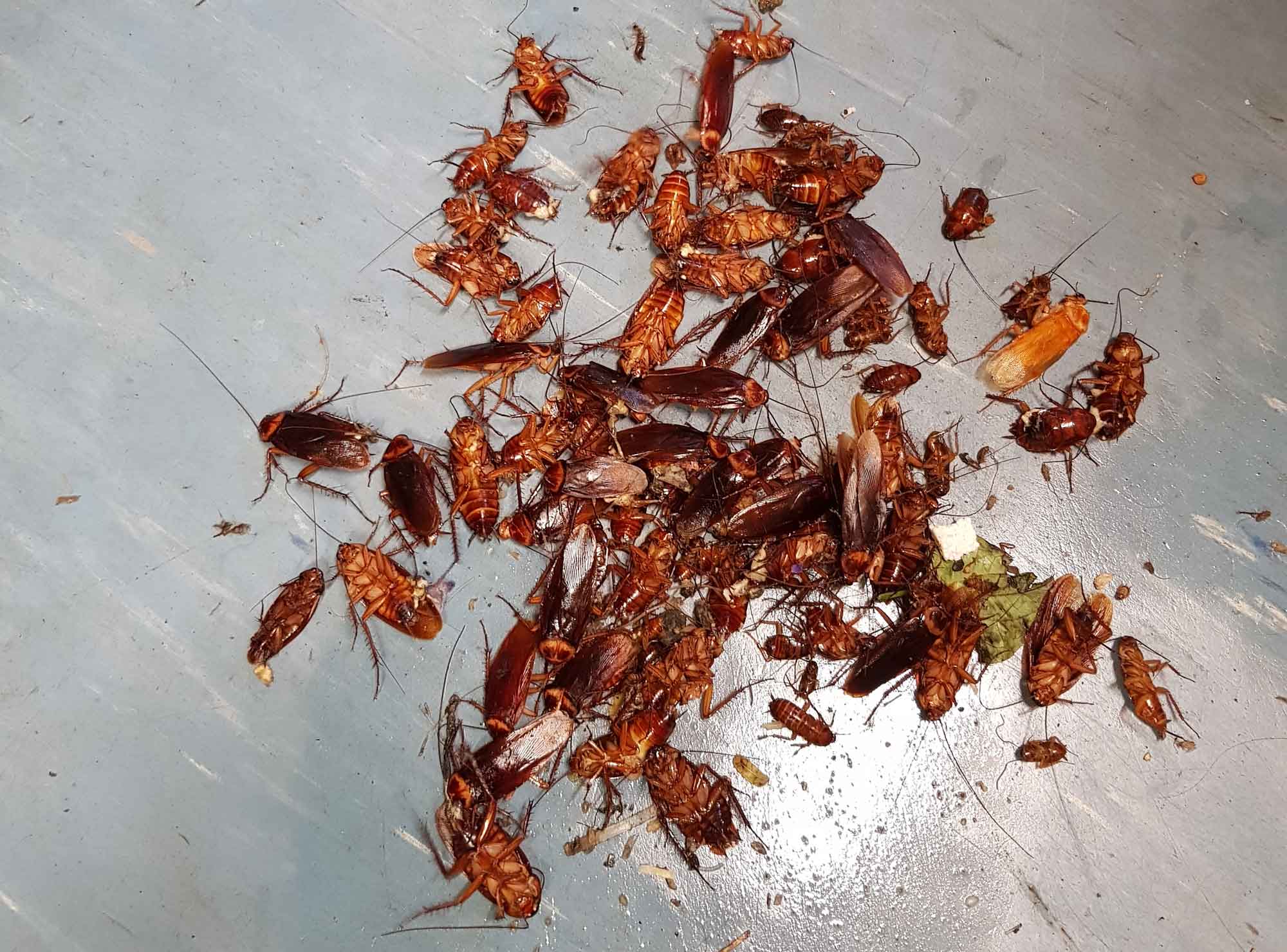
German cockroaches are one of the most challenging pests found in restaurants and commercial kitchens.
Unlike larger cockroach species, German cockroaches reproduce rapidly and often hide deep inside equipment where warmth and moisture are present. Common hiding places include:
- Commercial dishwashers
- Refrigeration compressor units
- Coffee machines
- Food preparation benches
- Electrical appliances
- Wall cavities
- Kitchen cupboards
Because these pests can spread quickly throughout a venue, early intervention is critical. Our technicians use targeted treatment methods designed to eliminate infestations while helping reduce the risk of future outbreaks.
Fruit flies
Fruit flies may be small, but they can quickly become a major issue in food service environments.
They are commonly attracted to:
- Food waste
- Floor drains
- Bar areas
- Recycling bins
- Beverage stations
- Organic waste
Simply spraying adult flies rarely solves the problem. We identify breeding sources and provide practical recommendations alongside targeted treatments to achieve long-term control.
Rodent control
Rodents present serious health and safety risks for food businesses.
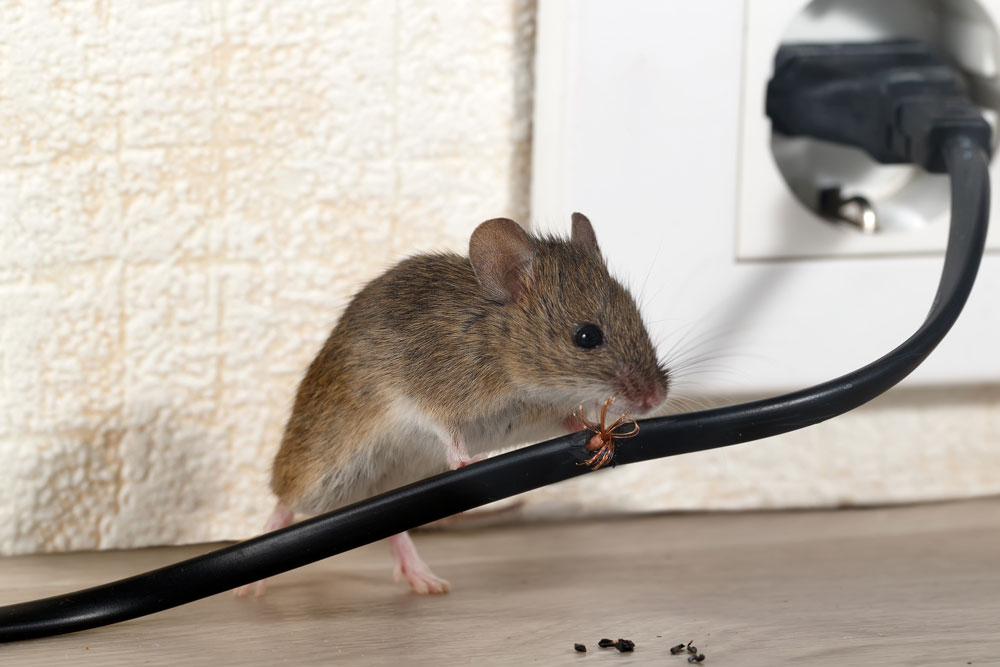
Rats and mice can contaminate food products, damage packaging, chew electrical wiring and leave droppings throughout storage areas.
Waste storage areas and external bins are particularly attractive to rodents, making proactive monitoring essential.
Our rodent management programs include:
- Site inspections
- Monitoring stations
- Strategic bait placement
- Entry point identification
- Ongoing monitoring and reporting
- Recommendations to reduce future activity
Ants
Ants frequently enter hospitality venues searching for food and moisture.
Although they may appear to be a minor nuisance, persistent ant activity can affect food preparation areas and customer dining spaces.
We identify nesting areas where possible and implement treatments designed for long-term control rather than temporary relief.